
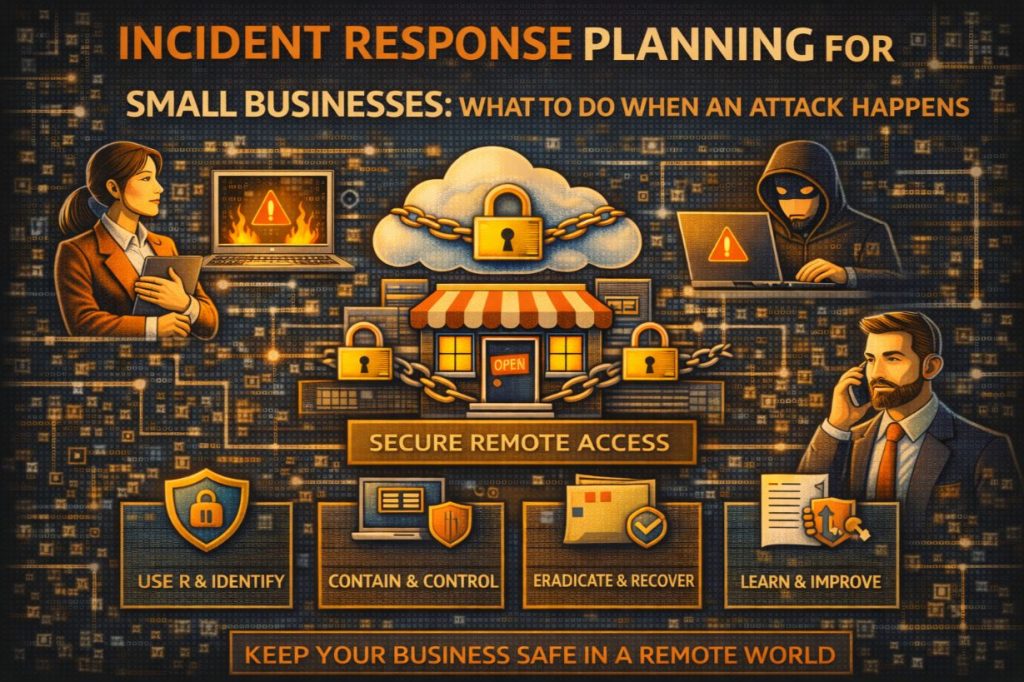
Incident Response Planning for Small Businesses: What to Do When an Attack Happens
Incident Response Planning for Small Businesses: What to Do When an Attack Happens Most small businesses assume they’ll “figure it out” if a cyber incident ever happens. That assumption is understandable—and extremely costly. Cyber incidents don’t fail businesses because systems are compromised. They fail businesses because decision-making collapses under pressure. Confusion, delays, and miscommunication cause more…
 precise_webmaster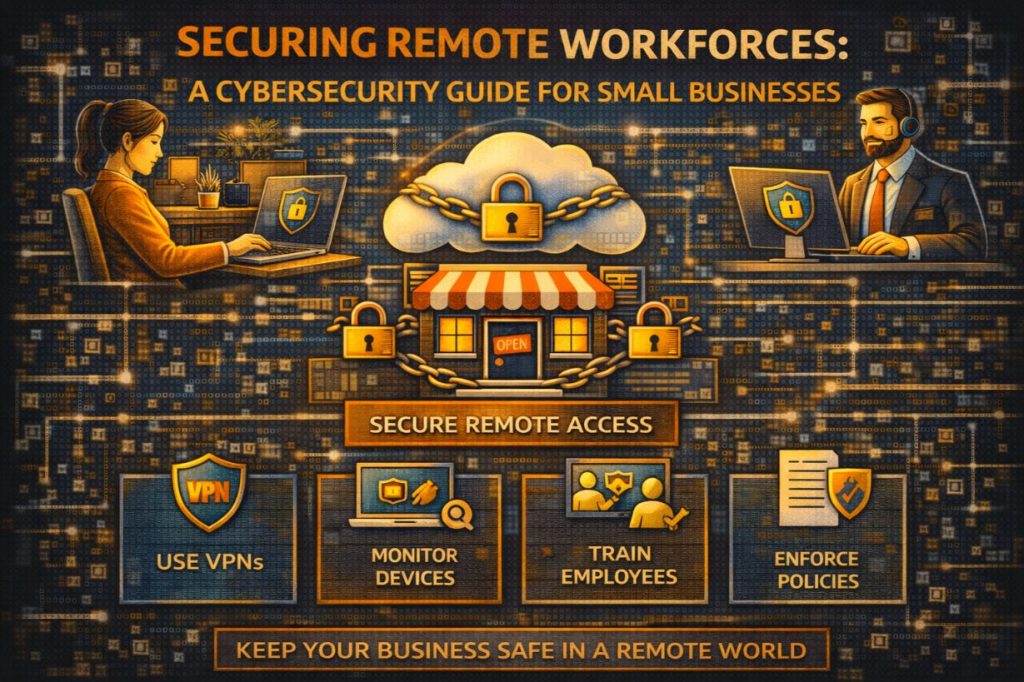
Securing Remote Workforces: A Cybersecurity Guide for Small Businesses
Securing Remote Workforces: A Cybersecurity Guide for Small Businesses Remote work didn’t introduce new cyber risks. It removed the illusion of control. Before remote work, small businesses relied on: Remote work shattered those assumptions permanently. Devices now connect from coffee shops, home networks, hotels, and airports—often with direct access to cloud systems that hold everything. For SMBs,…
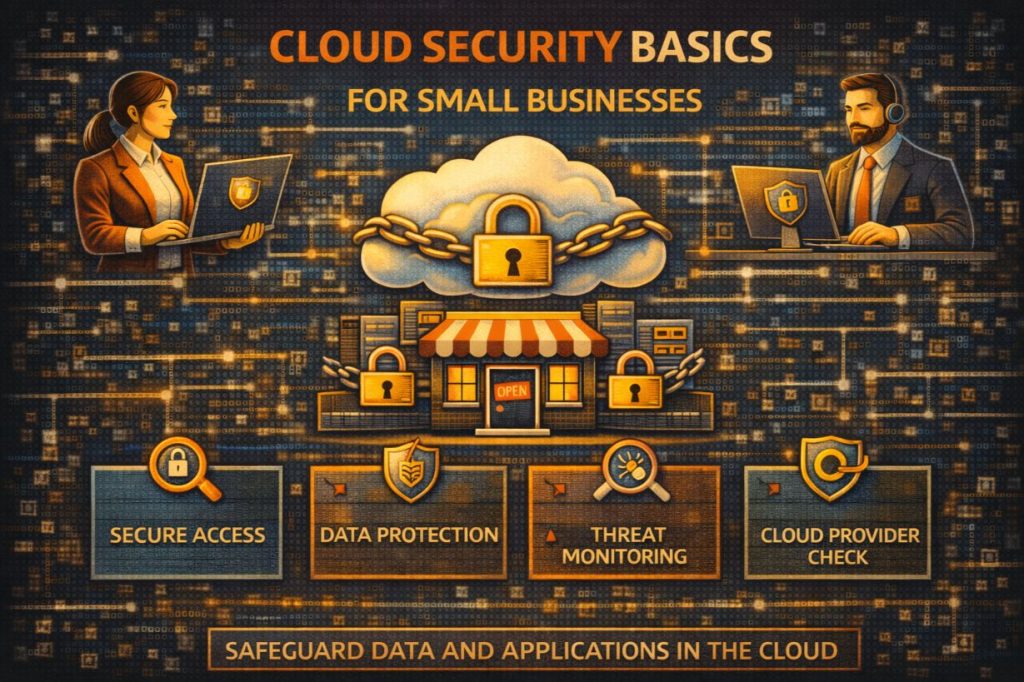
Cloud Security Basics for Small Businesses
Cloud Security Basics for Small Businesses Most small businesses believe their data is safer in the cloud. That belief is half true—and dangerously incomplete. Cloud providers do a good job securing their infrastructure. What they do not secure is how you configure access, permissions, and usage. That responsibility belongs entirely to the business. For SMBs, cloud security failures rarely come from…
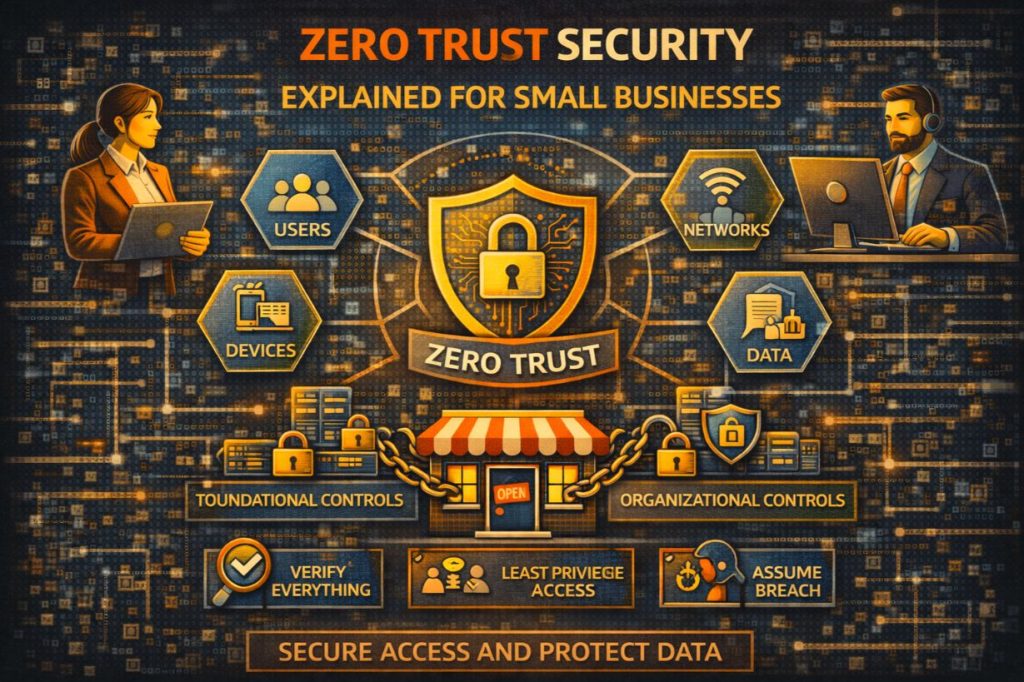
Zero Trust Security Explained for Small Businesses
Zero Trust Security Explained for Small Businesses “Zero Trust” is one of the most abused terms in cybersecurity. Vendors use it to sell tools.Consultants use it to sell projects.SMBs hear it and assume: Most of that confusion comes from misunderstanding what Zero Trust actually is. Zero Trust is not a product.It’s not a platform.It’s not…
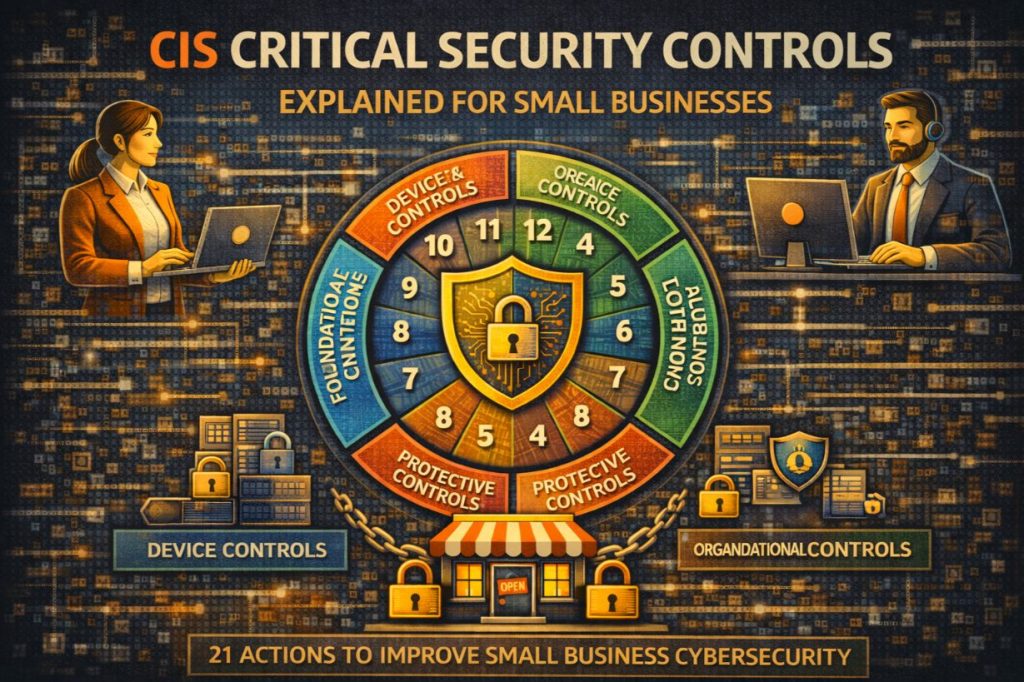
CIS Critical Security Controls Explained for Small Businesses
CIS Critical Security Controls Explained for Small Businesses If the NIST Cybersecurity Framework is a map, the CIS Critical Security Controls are a checklist of locks for the doors attackers actually use. For small businesses, this distinction matters. Many SMBs understand why cybersecurity matters but struggle with what to do first. The CIS Controls were designed to answer exactly that question—based on…
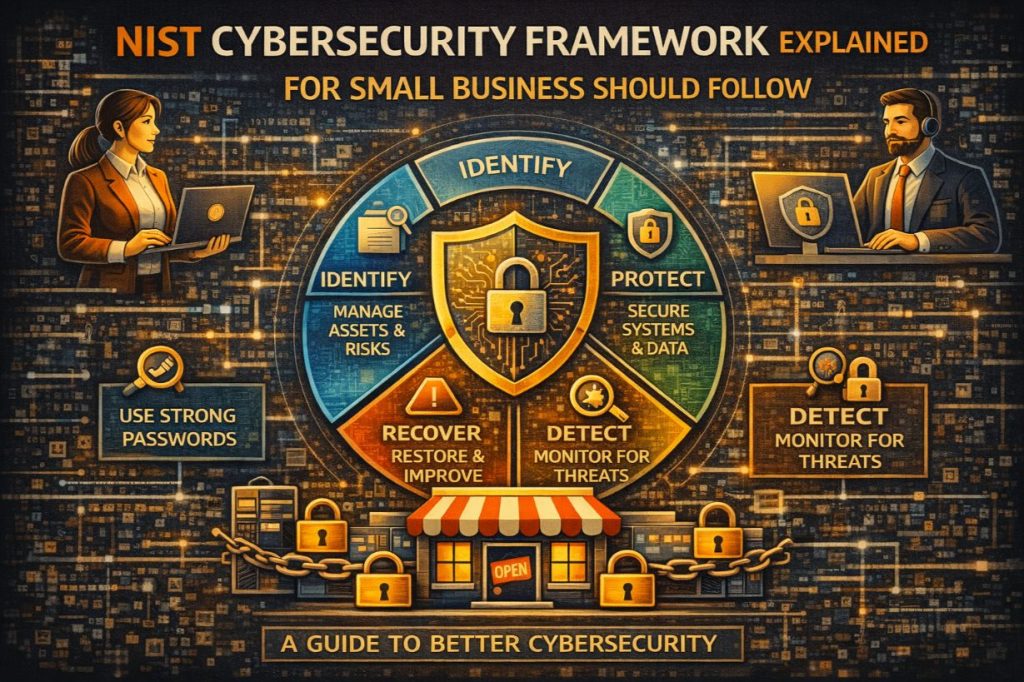
NIST Cybersecurity Framework Explained for Small Businesses
NIST Cybersecurity Framework Explained for Small Businesses The NIST Cybersecurity Framework is one of the most widely referenced security frameworks in the world—and one of the most misunderstood by small businesses. Mention “NIST” to an SMB owner and the reaction is often: Those reactions are understandable—and mostly wrong. The NIST Cybersecurity Framework (NIST CSF) was designed to…
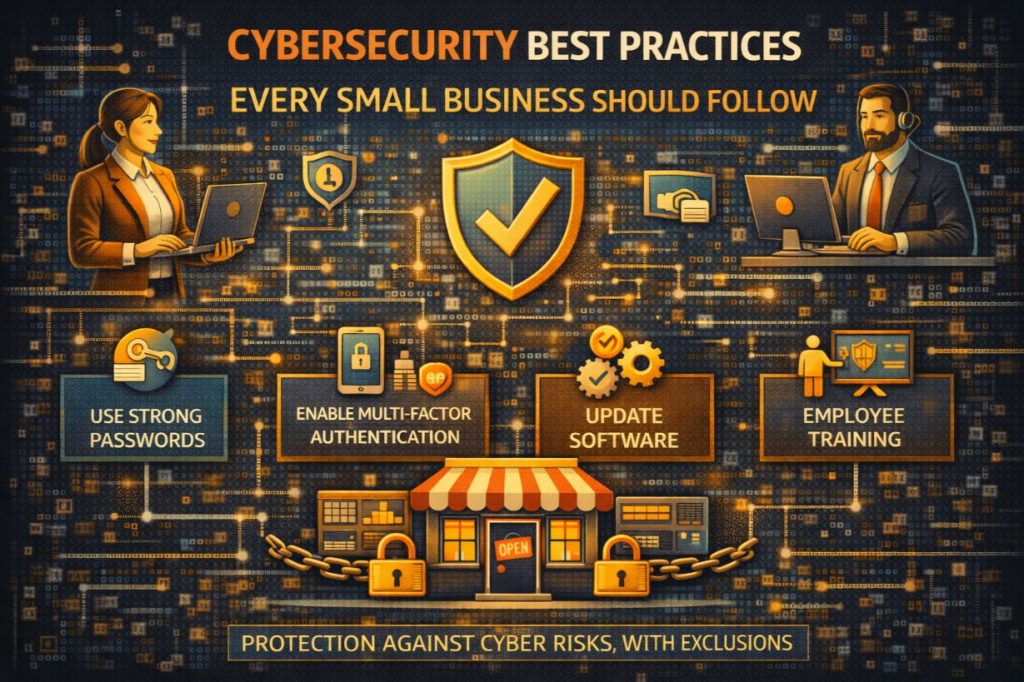
Cybersecurity Best Practices Every Small Business Should Follow
Cybersecurity Best Practices Every Small Business Should Follow Most small businesses don’t fail at cybersecurity because they ignored everything. They fail because they did some things, skipped others, and assumed the rest didn’t matter. Cybersecurity best practices for SMBs are not about doing everything. They’re about doing the right things consistently, in the right order, with realistic expectations….
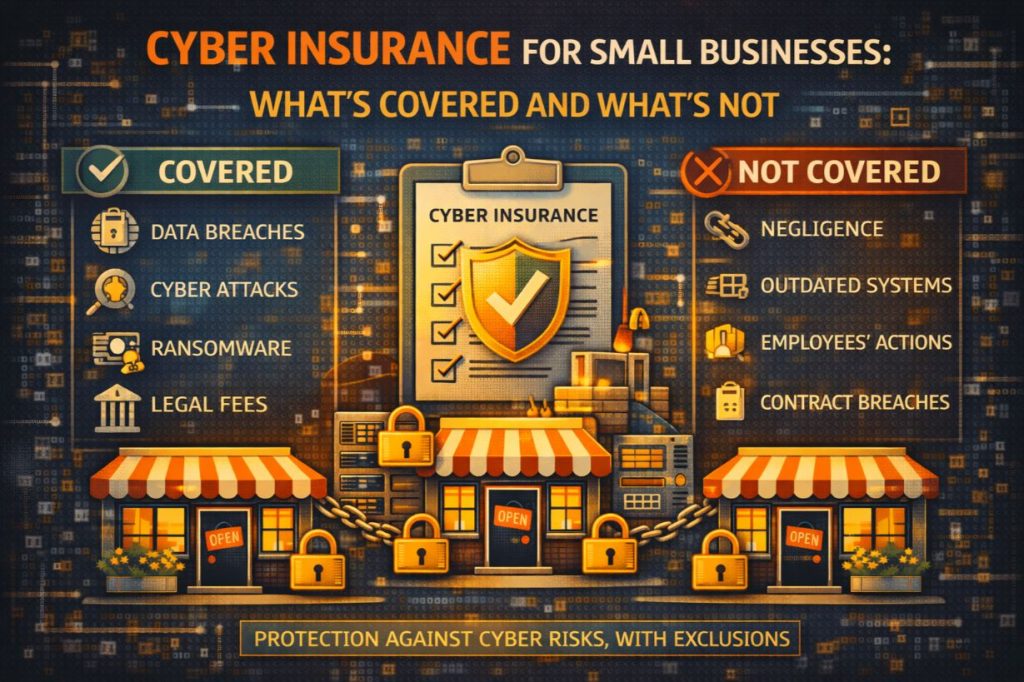
Cyber Insurance for Small Businesses: What’s Covered and What’s Not
Cyber Insurance for Small Businesses: What’s Covered and What’s Not Cyber insurance feels like a safety net. For many small businesses, it’s the last line of defense—the thing they assume will “take care of it” if a cyber incident ever happens. That assumption is understandable. It’s also dangerous. Cyber insurance does not replace cybersecurity, does not…
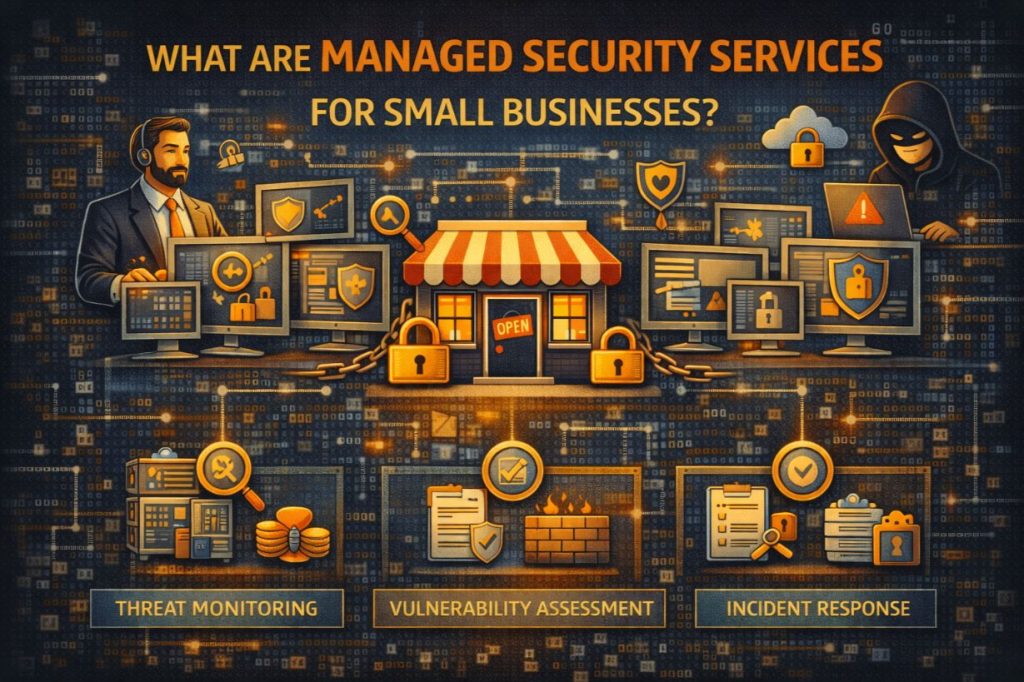
What Are Managed Security Services for Small Businesses?
What Are Managed Security Services for Small Businesses? Most small businesses don’t fail at cybersecurity because they don’t care. They fail because they try to do security alone—with limited staff, limited time, and limited visibility into fast-moving threats. Managed Security Services exist because modern cybersecurity is: For SMBs, managed security services are not a luxury. They…
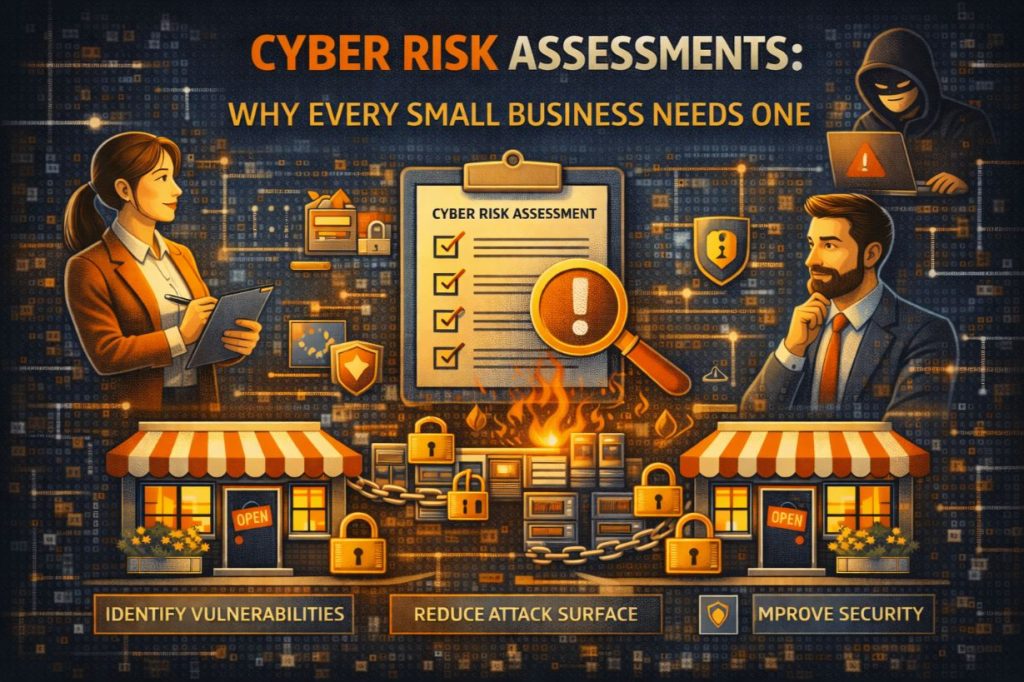
Cyber Risk Assessments: Why Every Small Business Needs One
Cyber Risk Assessments: Why Every Small Business Needs One Most small businesses buy cybersecurity tools before they understand their risks. That’s backwards. Firewalls, antivirus, backups, and monitoring all sound responsible—but without knowing what actually puts your business at risk, those tools may be protecting the wrong things, in the wrong way, at the wrong cost. A cyber…